

Wholesale Succulents,
Grown for Global Export
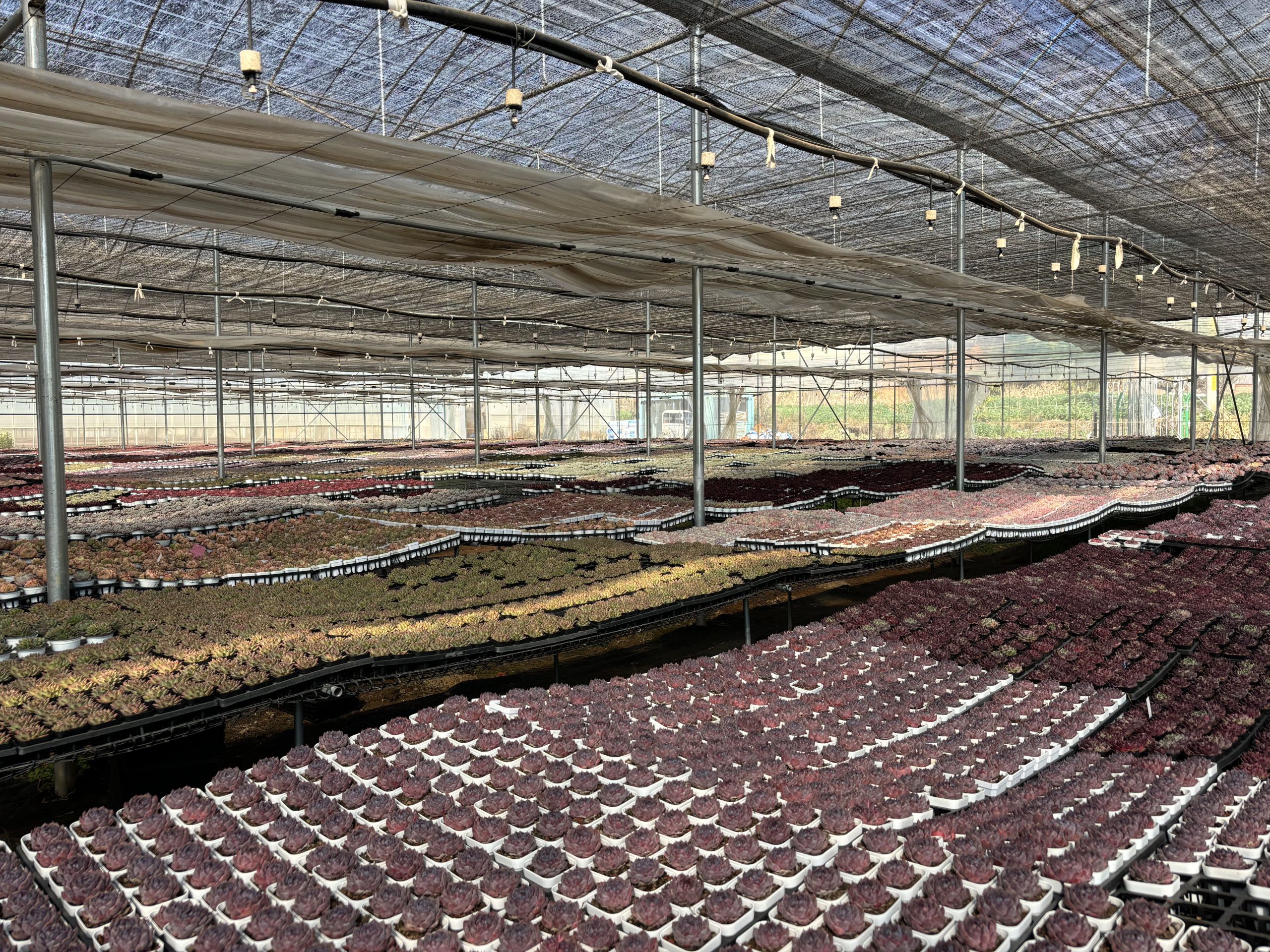
Direct from our greenhouse in China. Bulk orders with full export documentation — phytosanitary certificates, CITES permits, and bare-root packing handled by our team.
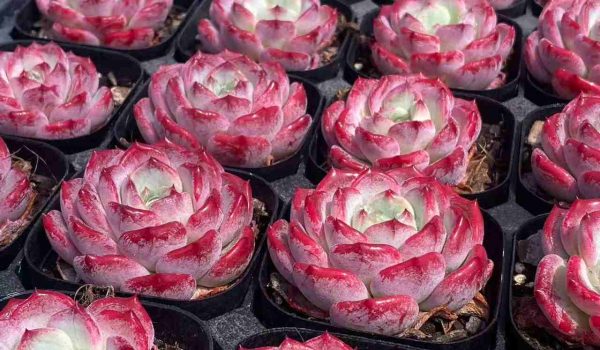
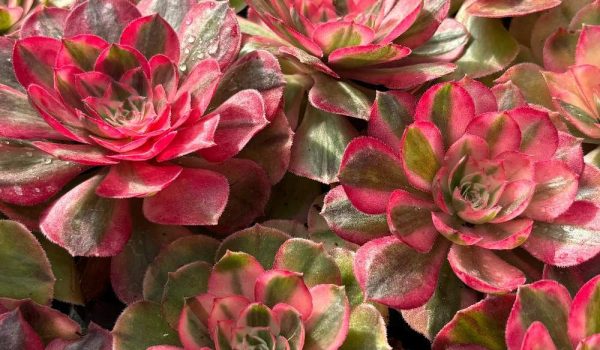
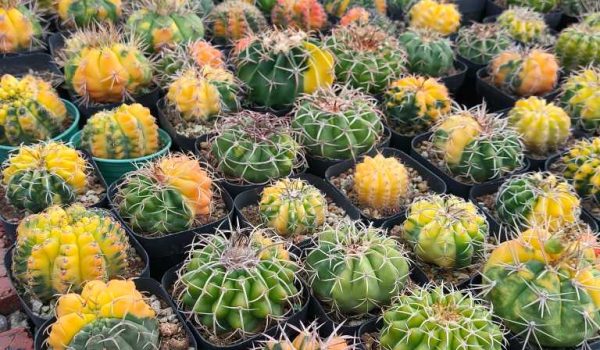
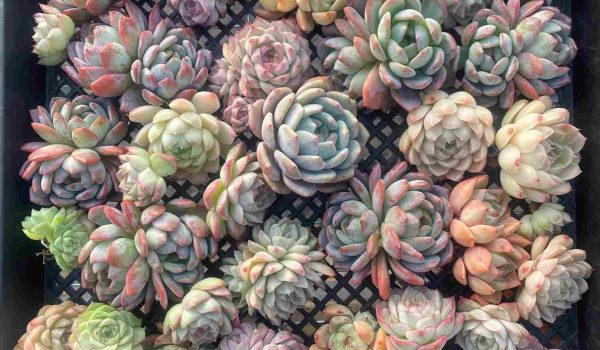
New Arrivals
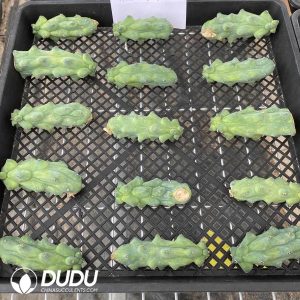
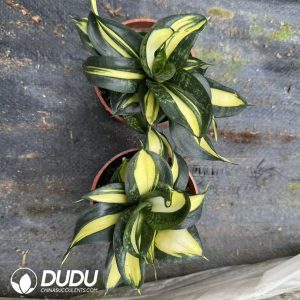
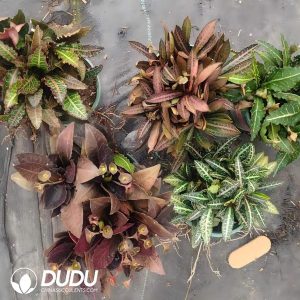
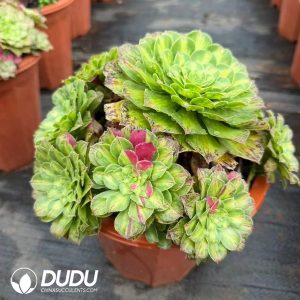
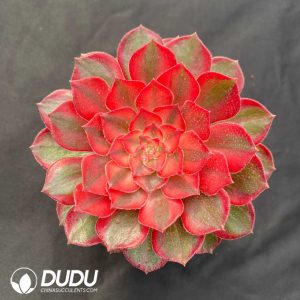
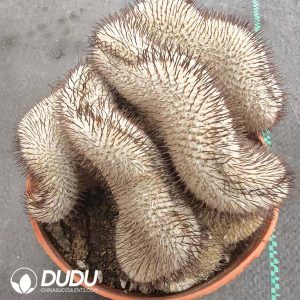
Shop by Tray
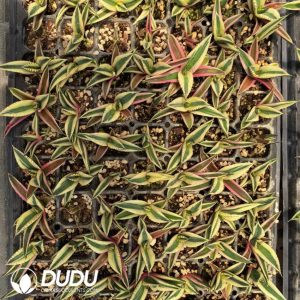
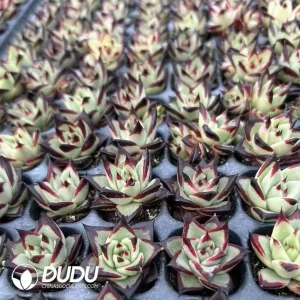
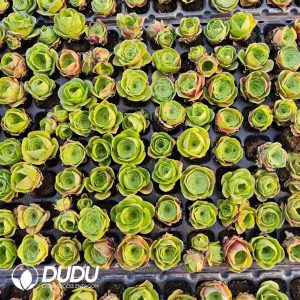
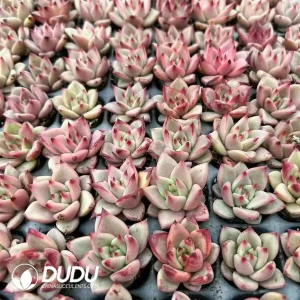
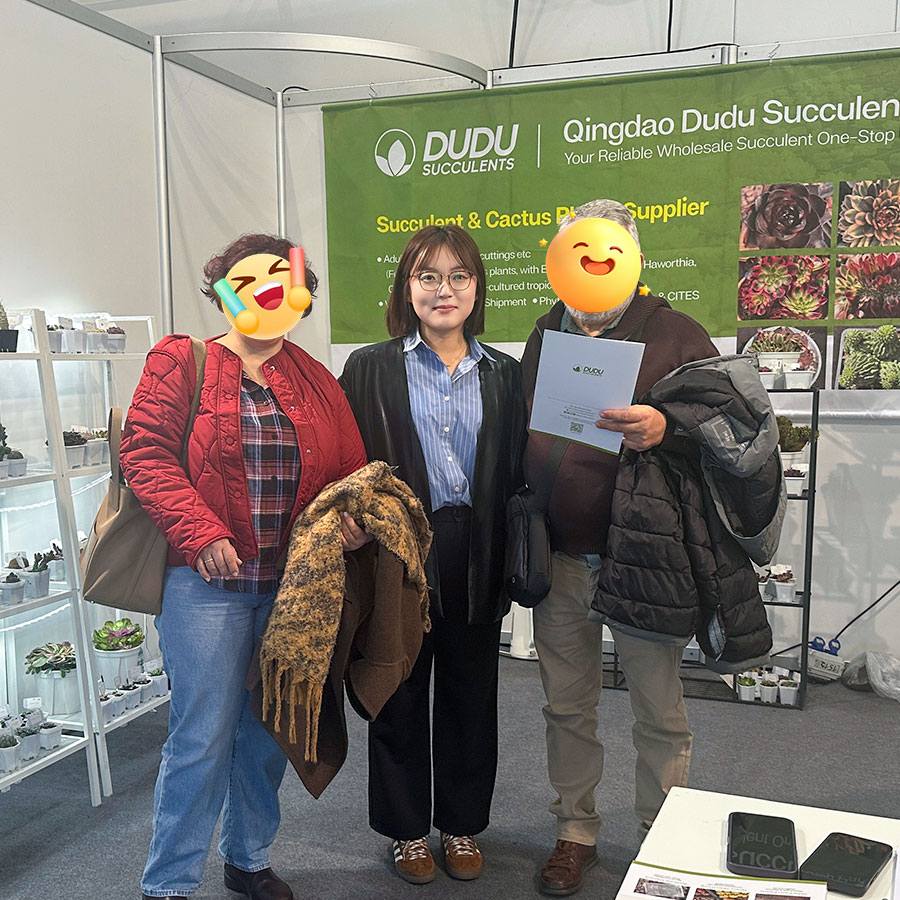
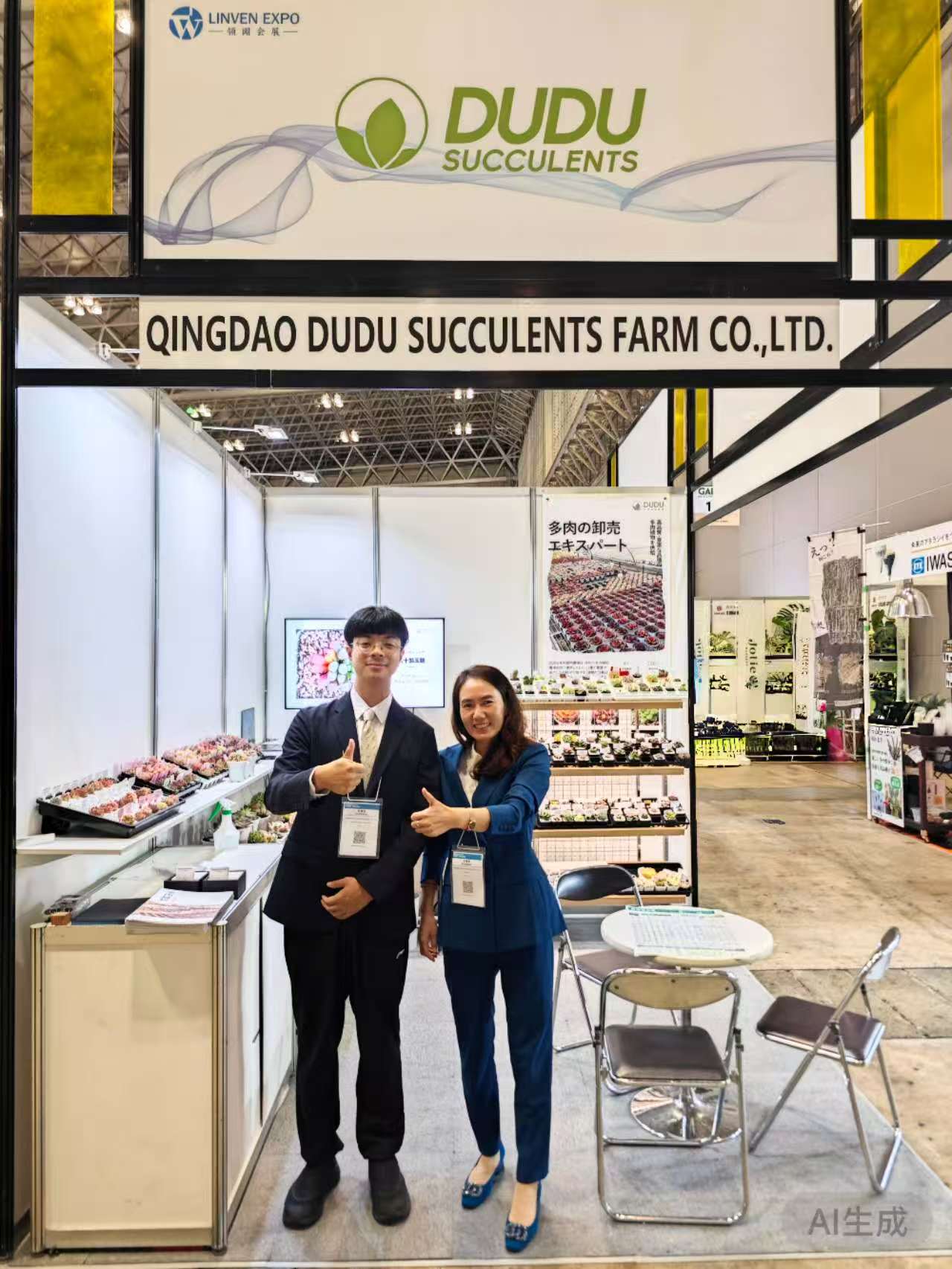
Global Trade Show
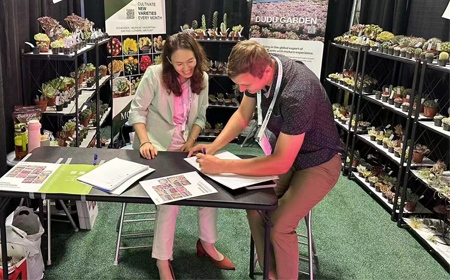
ABOUT OUR FARM
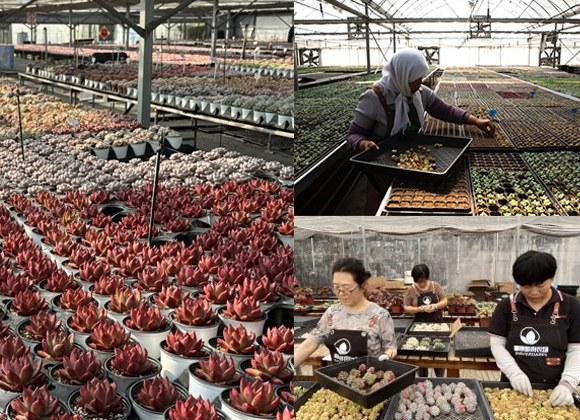
We are Dudu Succulents Farm from China,Choose us for strength in volume, quality in every plant, and a partnership that grows with you.
We specialize in hassle-free bulk orders with professional export handling—including phytosanitary coordination, CITES documentation (when required), and bare-root packing to meet international shipping standards. Our team ensures reliable delivery, competitive pricing, and responsive after-sales support.
Our Shipments
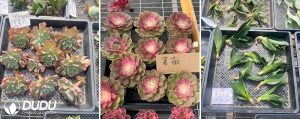
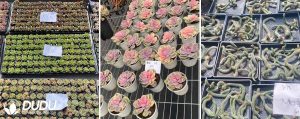
Contact & Frequently Asked Questions
Succulent wholesale refers to bulk purchasing of live succulent plants for resale or commercial use. Orders are typically structured by tray, lot, or minimum order value rather than single-unit retail quantities.
A phytosanitary certificate is commonly required when exporting live plants across borders. The specific requirement depends on the importing country’s plant health regulations and the plant category being shipped.
No. Only species listed under the Convention on International Trade in Endangered Species (CITES) require export permits. Permit requirements vary by species and destination country.
Bare-root shipping reduces soil-related restrictions and transit risks. Many importing countries restrict soil entry, making bare-root preparation a common export practice for live plants.
Shipment methods are selected based on destination, volume, packaging standards, and documentation requirements. Buyers are responsible for confirming local import permits and regulatory conditions before dispatch.